Adhesion Mechanism
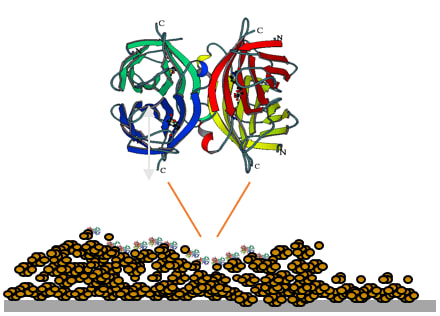
The resulting layer forms a nanostructured surface that mimicks the topographical roughness of the extracellular matrix and supports cell adhesion through a dual-step mechanism. In the first step, membrane proteins interact with uncoordinated titanium atoms on the nanostructured surface, enabling strong adsorption with potential covalent character.
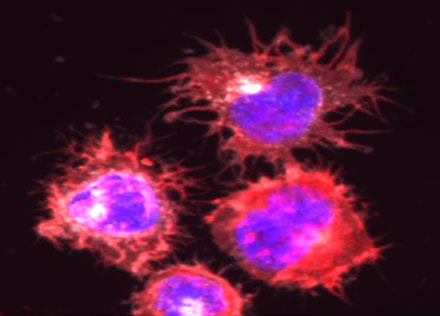
In the second step, cellular membranes and adhesion-related proteins sense the nanotopography of the substrate. This biomimetic architecture promotes cytoskeleton-mediated interactions, stabilizing cell attachment and enabling efficient adhesion even for typically non-adherent cell populations,, without the need for biochemical functionalization.